Political and lega l minds have attributed former president Peter Mutharika’s commanding lead in the September 16 2025 presidential election to a protest vote alongside undecided and reticent votes.
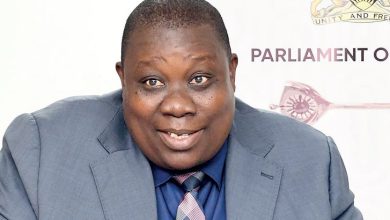
Exper ts in political science Chrispin Mphande, Boniface Dulani and Ernest Thindwa as well as legal scholar Danwood Chirwa said in separate interviews that economic mismanagement, indecisiveness and failure to wield the Northern Region vote have negatively affected incumbent President Lazarus Chakwera’s performance.
On the other hand, UTM Party is earning praise for performing better in parliamentary election than they did in despite losing votes in the presidential election.
While some UTM votes are said to have been lost to Mutharika, the views are split among the experts on whether the setback could be attributed to the death of the party’s founding president and State vice-president Saulos Chilima.
Mphande, a Mzuzu University historian and development politics expert, said in an interview yesterday that the election can be seen as “voting out of anger “, wondering if the patterns were gradually moving away from the regional divide.
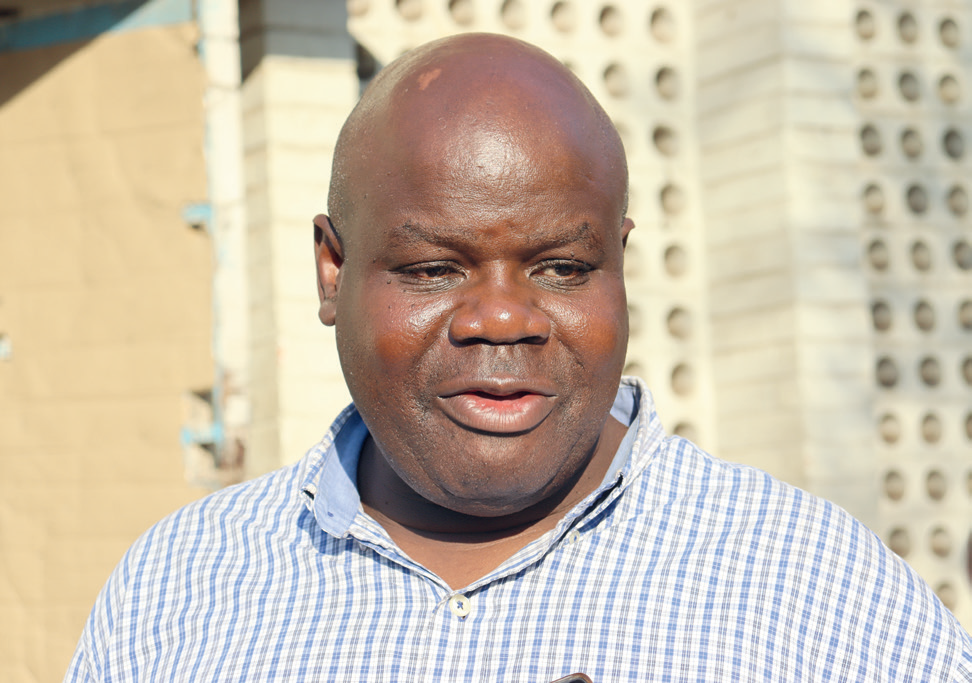
Chakwera. | Nation
He said Mutharika took advantage of Chakwera’s weak decision-making trend, fuel shortages and a sluggish approach in tackling food and forex scarcity.
On UTM’s performance in the North, he said Chilima responded to the values that define the region while his successor Dalitso Kabambe focused on the macroeconomic approach which technically made sense but failed to address self-sustainability on the ground.
He said: “Likely what might prompted the North to vote this way was probably a lack of an alternative leadership coupled with MCP’s governance failures.
“Despite the urban road development, Chakwera did not meet the Centre’s expectations. The Centre relies on agriculture but MCP lost it due to fertiliser price escalation.”
In a separate response, University of Malawi associate
professor of political science Dulani echoed Mphande’s sentiments, saying: “The election was less about Mutharika but more of a referendum against Chakwera.”
He said Chakwera was mostly judged over how his government mismanaged the economy by presiding over a period of high cost of living and scarcity of essential commodities and services.
Dulani said Malawians have drifted to Mutharika on the basis that he is a known entity who many hope can bring in a level of stability in the economy.
He said: “The challenge for other candidates is that even if they could be better economic managers than Chakwera or Mutharika, they have not been tested [with exception to Joyce Banda].
“For example, in the recent Ipor [Institute for Public Opinion and Research] surveys, Kabambe was only recognised as UTM candidate by 33 percent of voters in the Centre, 32 in the South and 33 in the North.”
On the other hand, Thindwa, an expert in electoral and identity politics, said DPP’s impressive performance in the South, North and inspiring show in the Centre is owed to a visibly angry citizenry.
“The economy is the only campaign message that hardly requires a conveyor for it tends to reside in each household,” he said.
Thindwa said the presence of Chilima could have produced different outcomes for UTM and would have shaped the electoral landscape differently.
“UTM lacked Chilima’s charismatic character. Strategic voting may have worked unfavourably to UTM. Voters who may have preferred UTM might have voted for DPP to make their vote count,” he said.
Writing on his Facebook page, Cape Town University-based Malawian law professor Danwood Chirwa argued that apart from taking the North vote, Mutharika has performed better in the Centre, making it even worse for Chakwera.
He said: “Chakwera’s loss is a function of having failed to defend his turf [the Centre] and steal the North vote, which would have easily taken him over the bar. In 2020, he was literally carried on the backs of the civil society and all of who were tired of DPP’s arrogance, tribalism and corruption.”